





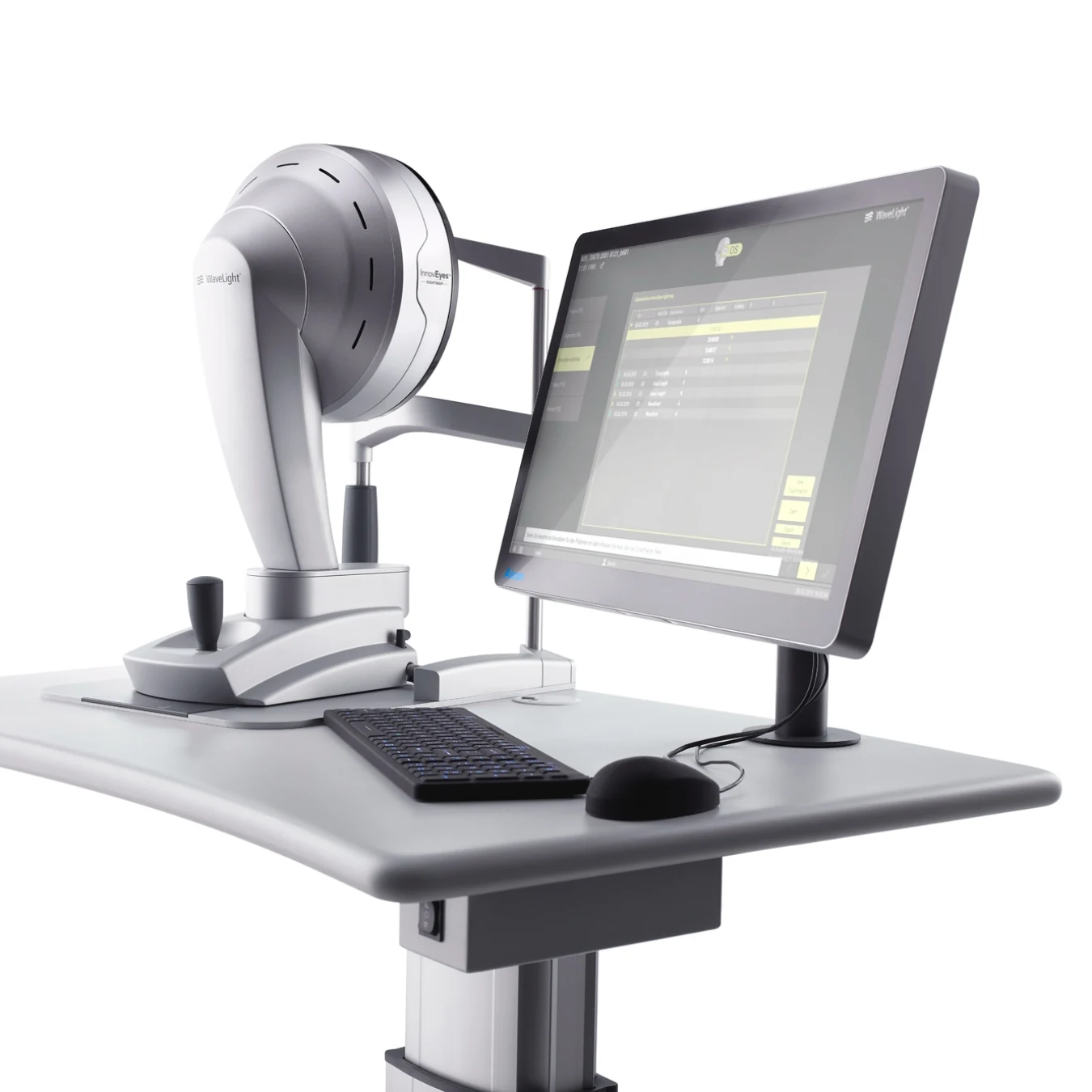
WaveLight® Plus Ray-tracing
Next-Generation Vision Correction with 3D Optical Mapping in Colorado Springs & Pueblo
Skyline LASIK brings cutting-edge WaveLight® Plus ray-tracing technology to the Front Range—offering the most advanced level of LASIK and PRK customization available today. This next-generation system uses 3D ray-tracing to map your unique optical system and deliver unprecedented visual precision.
What Is WaveLight® Plus Ray-tracing LASIK?
Ray-trace vs. Traditional LASIK
Meet Your WaveLight® Plus LASIK Surgeons
The WaveLight® Plus LASIK Procedure
Am I a Candidate for WaveLight® Plus?
Ray-tracing LASIK vs. Other Vision Correction Options
Benefits of Ray-tracing LASIK
Risks & Considerations
Why Choose Skyline LASIK?
Frequently Asked Questions
Schedule Your Consultation
Medically Reviewed By:
Matthew Chang, MD & Marc Neuffer, MD, FACS
Board-Certified Ophthalmologists, Fellowship-Trained Cornea & Refractive Surgeons
What Is WaveLight® Plus Ray-tracing LASIK?
Ray Trace LASIK represents the evolution of vision correction technology. While traditional LASIK reshapes your cornea based on your glasses prescription, and wavefront-guided LASIK adds some customization, Ray-tracing LASIK creates a true 3D model of your
 Trusted Source
Ray-tracing–guided myopic LASIK: real-world clinical outcomes
Journal of Cataract & Refractive Surgery
Go to Source
entire optical system.
Trusted Source
Ray-tracing–guided myopic LASIK: real-world clinical outcomes
Journal of Cataract & Refractive Surgery
Go to Source
entire optical system.

How Ray Trace Technology Works
The WaveLight® Plus system uses advanced ray-tracing algorithms to:
- Map Your Unique Optical Fingerprint: Captures thousands of data points showing exactly how light travels through your cornea, lens, and eye
- Identify Complex Aberrations: Detects subtle imperfections that affect visual quality—especially in low light
- Create a Personalized Treatment: Designs a laser ablation pattern unique to your eye’s architecture
- Optimize Visual Outcomes: Targets not just clarity, but contrast sensitivity, night vision, and overall visual quality
Ray Trace vs. Traditional LASIK
Prescription-based
Topography Guided Contoura
3D optical ray-tracing
Basic refraction
22,000 elevation points
Thousands of rays
Not addressed
Treated
Comprehensively treated
Standard
Improved
Superior
Limited
Better
Best available
Good
Very Good
Exceptional
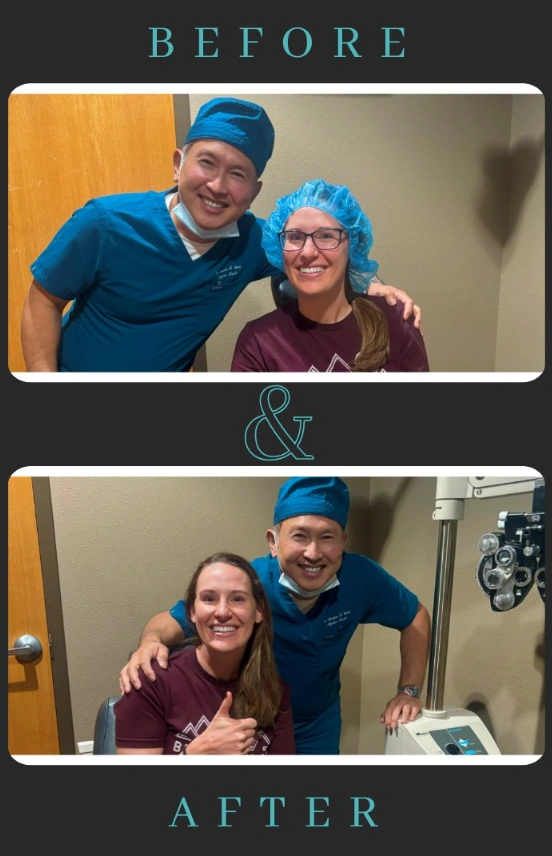
Meet Your Ray Trace LASIK Surgeons
Matthew Chang, MD
Board-Certified Ophthalmologist | Fellowship-Trained Cornea & Refractive Surgeon
Dr. Matthew Chang brings over 25 years of surgical excellence to Skyline LASIK. After earning his medical degree from the University of Illinois College of Medicine, he completed his ophthalmology residency at Kresge Eye Institute and advanced fellowship training in cornea and refractive surgery at the University of Arizona.
Credentials & Experience:
- 15,000+ refractive procedures performed
- Named Colorado Springs Magazine Top Doctor for 10+ consecutive years
- Top 1% ophthalmologist in the United States
- Expertise in advanced refractive surgery techniques
Dr. Chang underwent LASIK himself and understands the procedure from both sides—as surgeon and patient. Dr. Chang’s precision and patient-centered approach have made him one of Colorado Spring’s most trusted refractive surgeons.
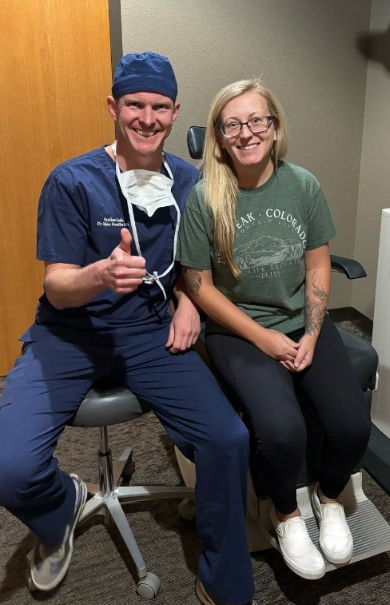
Marc Neuffer, MD, FACS
Board-Certified Ophthalmologist | Fellowship-Trained Cornea & Refractive Surgeon | Chief of Cornea & Refractive Surgery, U.S. Air Force Academy
Dr. Marc Neuffer combines military precision with academic excellence. With over 25 years of experience and 16,000+ vision correction procedures, he brings unparalleled expertise to Skyline Lasik.
Credentials & Experience:
- Fellowship-trained: Moran Eye Center, University of Utah (cornea, external disease, refractive surgery)
- Chief of Cornea and Refractive Surgery, U.S. Air Force Academy
- Assistant Clinical Professor, University of Colorado School of Medicine
- 20+ years U.S. Air Force service, including deployment to Afghanistan
- Member, Congressionally Directed Vision Research Panel
- Fellow, American Academy of Ophthalmology and American College of Surgeons
Personal Experience: Dr. Neuffer underwent PRK himself and understands the procedure from both sides—as surgeon and patient. His military background ensures meticulous attention to detail and commitment to optimal outcomes.
The Wavelight Plus Ray-tracing LASIK Procedure
What to Expect
Consultation & Advanced Diagnostics (1-2 hours)
- Comprehensive eye examination
- 3D optical mapping with WaveLight® Plus system
- Corneal topography and pachymetry
- Pupil size measurement in various lighting
- Discussion of your visual goals and candidacy
Procedure Day (15-20 minutes per eye)
- Numbing drops applied—no injections needed
- Femtosecond laser creates thin corneal flap (30 seconds)
- Flap gently lifted
- Ray Trace-guided excimer laser reshapes cornea (30-60 seconds)
- Flap repositioned—heals naturally without stitches
Recovery Timeline
- Day 1: Vision noticeably improved; mild discomfort managed with drops
- Week 1: Most patients return to work and normal activities
- Month 1: Vision continues stabilizing; follow-up appointments
- Months 3-6: Final visual outcome achieved
Am I a Candidate for Ray-tracing LASIK?
Ray-tracing LASIK may be ideal if you have:
- Complex or High Astigmatism: Ray Trace excels at treating irregular
Trusted Source
Higher-Order Aberrations Following Ray Trace LASIK and the Impact of Eye Movement on Coma
Clinical Ophthalmology
Go to Source
corneal shapes
- Large Pupils: Reduces night vision issues common with traditional LASIK
- Higher-Order Aberrations: Addresses visual distortions beyond standard prescriptions
- Previous Vision Correction: May be suitable for enhancement procedures
- Demanding Visual Requirements: Pilots, surgeons, athletes, or anyone requiring exceptional vision quality
General Requirements:
- Age 18+
- Stable prescription for 1+ year
- Healthy corneas with adequate thickness
- No active eye disease or certain medical conditions
- Realistic expectations about outcomes
Not a Candidate? We also offer PRK, EVO ICL, and Refractive Lens Exchange.
Ray Trace LASIK vs. Other Vision Correction Options
Not sure if LASIK is right for you? Skyline LASIK offers multiple advanced vision correction technologies. Here’s how they compare:
PRK (Photorefractive Keratectomy)
PRK is a no-flap laser vision correction procedure. Instead of creating a corneal flap, the surface layer is gently removed and the laser reshapes the underlying cornea. The surface regenerates naturally over several days.
Best For:
- Patients with thin corneas not suitable for LASIK
- Military personnel, law enforcement, or contact sports athletes
- Those at higher risk for eye trauma
- Patients with certain corneal conditions
Key Differences: Longer recovery time (3-5 days of discomfort, 1-2 weeks for functional vision) but eliminates flap-related risks. Can be combined with Ray-tracing for enhanced customization.
EVO ICL™ (Implantable Collamer Lens)
EVO ICL involves placing a biocompatible lens inside your eye (between the iris and natural lens) without removing any corneal tissue. The procedure is reversible if needed.
Best For:
- High myopia (nearsightedness) beyond LASIK range (-3.0 to -20.0 D)
- Thin corneas unsuitable for laser correction
- Patients who want to preserve corneal tissue
- Dry eye sufferers (doesn’t worsen dryness like LASIK can)
Key Differences: Surgical implant rather than laser reshaping. Excellent for extreme prescriptions. Slightly higher cost but offers exceptional visual quality and reversibility.
Refractive Lens Exchange (RLE)
Refractive Lens Exchange replaces your natural lens with an advanced artificial intraocular lens (IOL)—similar to cataract surgery but performed before cataracts develop. Multiple IOL options available including multifocal and extended depth of focus lenses.
Best For:
- Patients 45+ experiencing presbyopia (reading vision loss)
- Patients wanting a long term solution.
- Early cataract development
- Those wanting to address both distance and near vision simultaneously
Key Differences: Addresses age-related vision changes that LASIK cannot. Prevents future cataract development. More invasive than LASIK but provides permanent correction including reading vision.
Which Option Is Right for You?
Your surgeon will recommend the best technology based on:
- Prescription type and severity (myopia, hyperopia, astigmatism)
- Corneal thickness and shape
- Pupil size and eye anatomy
- Age and presence of presbyopia
- Lifestyle and occupation
- Specific visual goals (night driving, sports, reading, etc.)
- Overall eye health
During your comprehensive consultation, we’ll perform advanced diagnostic testing to determine which procedure offers you the best possible outcome.
Benefits of Wavelight Plus Ray-tracing LASIK
Superior Visual Quality
- Sharper vision in all lighting conditions
- Enhanced contrast sensitivity
- Reduced glare, halos, and starbursts at night
Advanced Customization
- Treatment tailored to your eye’s unique optical
Trusted Source
Recent Advances in Refractive Surgery: An Overview
Clinical Ophthalmology
Go to Source
characteristics
- Addresses aberrations traditional LASIK can’t correct
- Optimized for your pupil size and corneal shape
Proven Technology
- WaveLight® lasers: FDA-approved for LASIK, used worldwide
- Ray-tracing algorithms based on decades of optical research
- Continuous eye-tracking ensures precision
Experienced Surgeons
- Combined 50+ years of expertise
- 31,000+ vision correction procedures
- Fellowship-Trained Cornea & Refractive Surgeons
- Commitment to latest technology and techniques

Risks & Considerations
While Wavelight Plus ray-tracing LASIK is highly safe and effective, all surgical procedures carry risks:
Common Temporary Side Effects:
- Dry eyes (usually resolves within 3-6 months)
- Light sensitivity
- Mild discomfort or foreign body sensation
- Fluctuating vision during healing
Rare Complications:
- Under or overcorrection requiring enhancement
- Infection (< 0.1% with proper care)
- Flap complications
- Persistent visual symptoms (halos, glare)
- Vision loss (extremely rare)
Important Notes:
- Results vary by individual
- Some patients may still need glasses for certain tasks
- Enhancement procedures may be needed
- Not all patients achieve 20/20 vision
Your surgeon will discuss your specific risk profile during consultation.
Why Choose Skyline LASIK?
Legacy of Excellence
- Serving Colorado Springs for over 25+ years
- Fellowship-Trained Cornea & Refractive Surgeons
- Colorado Springs Top Doctor 10 consecutive years
Cutting-Edge Technology
- WaveLight® Plus Ray-tracing system
- Sightmap™ Diagnostic Device
- WaveLight® FS200 femtosecond laser
- WaveLight® EX500 excimer laser
- Contoura Vision topography-guided LASIK
Expert Surgical Team
- Board-certified, fellowship-trained surgeons
- Thousands of successful procedures
- Personalized, patient-centered care
Convenient Location
- Colorado Springs: 3155 N Union Blvd
- Serving surrounding communities
Comprehensive Care
- Thorough pre-operative evaluation
- Advanced diagnostic technology
- Detailed post-operative follow-up
Schedule Your Wavelight Plus LASIK Consultation
Discover if next-generation Wavelight Plus Ray-tracing LASIK is right for you. Our comprehensive consultation includes advanced diagnostic testing and personalized treatment planning.
Skyline LASIK
3155 N Union Blvd
Colorado Springs, CO 80907
(719) 444-3000
Office Hours:
Monday – Friday: 8 AM – 5 PM
Frequently Asked Questions
How much does Ray-tracing LASIK cost?
Pricing varies based on your prescription and treatment plan but per eye LASIK starts at $2,350. We offer financing options and accept HSA/FSA. Schedule your consultation to get a personal quote.
Is Ray-tracing LASIK covered by insurance?
LASIK is typically considered elective and not covered by insurance. However, we offer flexible financing and accept HSA/FSA funds.
How long does Ray-tracing LASIK last?
LASIK permanently reshapes your cornea. However, natural age-related changes (like presbyopia after 40) may still occur. Most patients enjoy clear vision for decades.
Does Ray-tracing LASIK hurt?
No. Numbing drops eliminate pain during the procedure. Most patients report only mild pressure. Post-operative discomfort is minimal and managed with drops.
When can I return to work after Ray-tracing LASIK?
Most patients return to work within 1-3 days. Your surgeon will provide specific guidance based on your job requirements.
Can both eyes be treated the same day?
Yes, we typically treat both eyes during the same appointment for convenience and faster visual recovery.
What if I have astigmatism?
Ray-tracing LASIK excels at treating astigmatism, including complex and irregular cases that traditional LASIK struggles with.
Am I too old for LASIK?
There’s no upper age limit if your eyes are healthy. However, patients over 45 may benefit more from Refractive Lens Exchange if presbyopia is present.
Medical Review & Editorial Standards
Medically Reviewed By:
Matthew Chang, MD, FAAO & Marc Neuffer, MD, FACS
Board-Certified Ophthalmologists
Last Updated: January 5, 2026 Next Review: July 7, 2026
Our Commitment to Accuracy:
All content is reviewed by board-certified ophthalmologists, based on peer-reviewed research and clinical guidelines, and updated regularly to reflect current best practices.
Sources:
- American Academy of Ophthalmology LASIK Guidelines
- FDA WaveLight® System Approval Documentation
- Peer-reviewed studies on ray-tracing technology
- Clinical outcomes data from WaveLight® Plus systems
Important Medical Disclaimer
This webpage provides educational information about LASIK and should not replace professional medical advice. Individual results vary based on prescription, eye health, healing response, and other factors. Not all patients are candidates for LASIK or will achieve 20/20 vision. Risks and complications, though rare, can occur.
Schedule a comprehensive consultation with our surgeons for personalized evaluation and recommendations.
1 Journal of Cataract & Refractive Surgery. Ray-tracing–guided myopic LASIK: real-world clinical outcomes. https://journals.lww.com/jcrs/fulltext/2023/11000/ray_tracing_guided_myopic_lasik__real_world.10.aspx. Accessed October 14, 2025.
2 Clinical Ophthalmology. Higher-Order Aberrations Following Ray Trace LASIK and the Impact of Eye Movement on Coma. https://pmc.ncbi.nlm.nih.gov/articles/PMC11588571/. Accessed October 14, 2025
3 Clinical Ophthalmology. Recent Advances in Refractive Surgery: An Overview. https://pmc.ncbi.nlm.nih.gov/articles/PMC11380141/. Accessed October 14, 2025.
The doctors at Skyline LASIK have authored or reviewed and approved this content. | Page Updated: